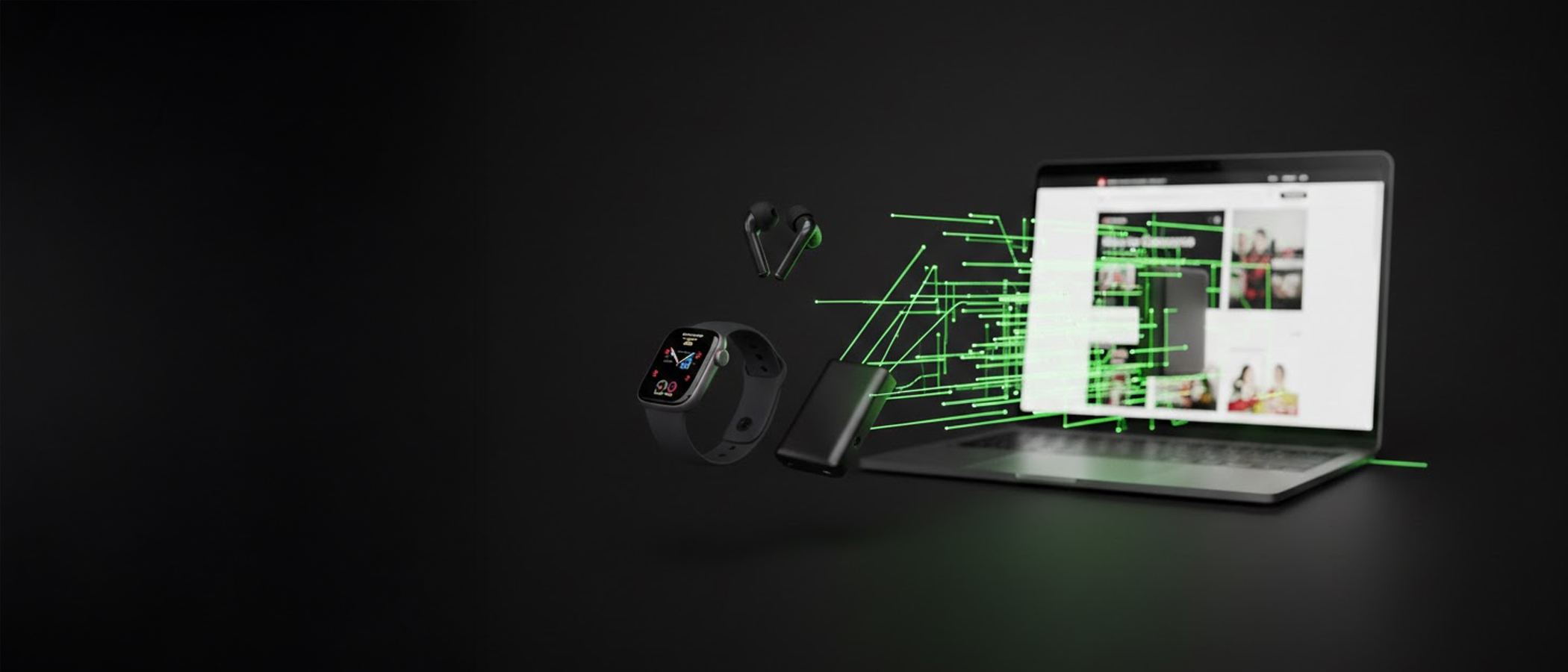
CGI Animation: How It Works and What It's Used For
How CGI animation visualizes your products photorealistically and flexibly. Learn all about the technology and its marketing benefits.

In modern product marketing, visual representations and captivating animations are essential to capture the target audience's attention and convey complex information understandably. CGI animation, or computer-generated imagery, has established itself as one of the most effective tools for companies looking to present their products innovatively and impressively. Photorealistic representation, in particular, plays a significant role in making products appear as realistic as possible.
In this blog post, you will learn exactly what CGI animation is, how it works, and what possibilities it offers to successfully market your products.
What is CGI Animation?
CGI Animation (Computer-Generated Imagery) describes the process of creating digital images and animations using computers. In contrast to classic films or photographs that depict real objects, all visual elements in CGI animations are digitally generated. This allows for almost limitless creativity and flexibility, as every detail of an image or animation can be precisely modeled, textured, and animated.
A central aspect of CGI animation is rendering, the process by which the created model and all associated elements – such as lighting, textures, and movements – are converted into a finished image or video. This is where photorealistic quality comes into play, which is particularly important for product presentation. This quality makes it almost indistinguishable from a real photo, which is especially valuable for marketing.
CGI animation can include both static images and moving animations. Especially in product visualization, CGI plays a decisive role in representing products photorealistically before they physically exist. Precise 3D modeling, which creates the digital image of a product, forms the basis for further work.
The underlying technology
The creation of CGI animations is based on a combination of powerful software and modern hardware. Common programs include Autodesk Maya, Blender, and Cinema 4D, which offer everything necessary for modeling, texturing, and animation. These tools work hand in hand with render engines that produce the final CGI images and videos with the highest degree of realism.
Especially the rendering process, which creates the final image, is crucial for the quality of the CGI animation. During rendering, all details, such as textures, shadows, and light reflections, are integrated into the digital model. The result is photorealistic images or videos that impress with their visual quality and perfectly showcase the product.
The importance of CGI for modern businesses
In today
daniel erning