Why CGI Will Replace Traditional Product Photography

Computer-generated imagery (CGI) is on the rise. But why is that? And why are more and more companies relying on renderings?
Interview about the advantages of CGI
In an interview, Katharina Degenmann (entwickler.de) talks to David Wischniewski (CEO, RenderThat) about the advantages of CGI and where the CGI trend is heading.
CGI, or computer-generated imagery, is currently a trending topic. What exactly can one imagine by CGI?
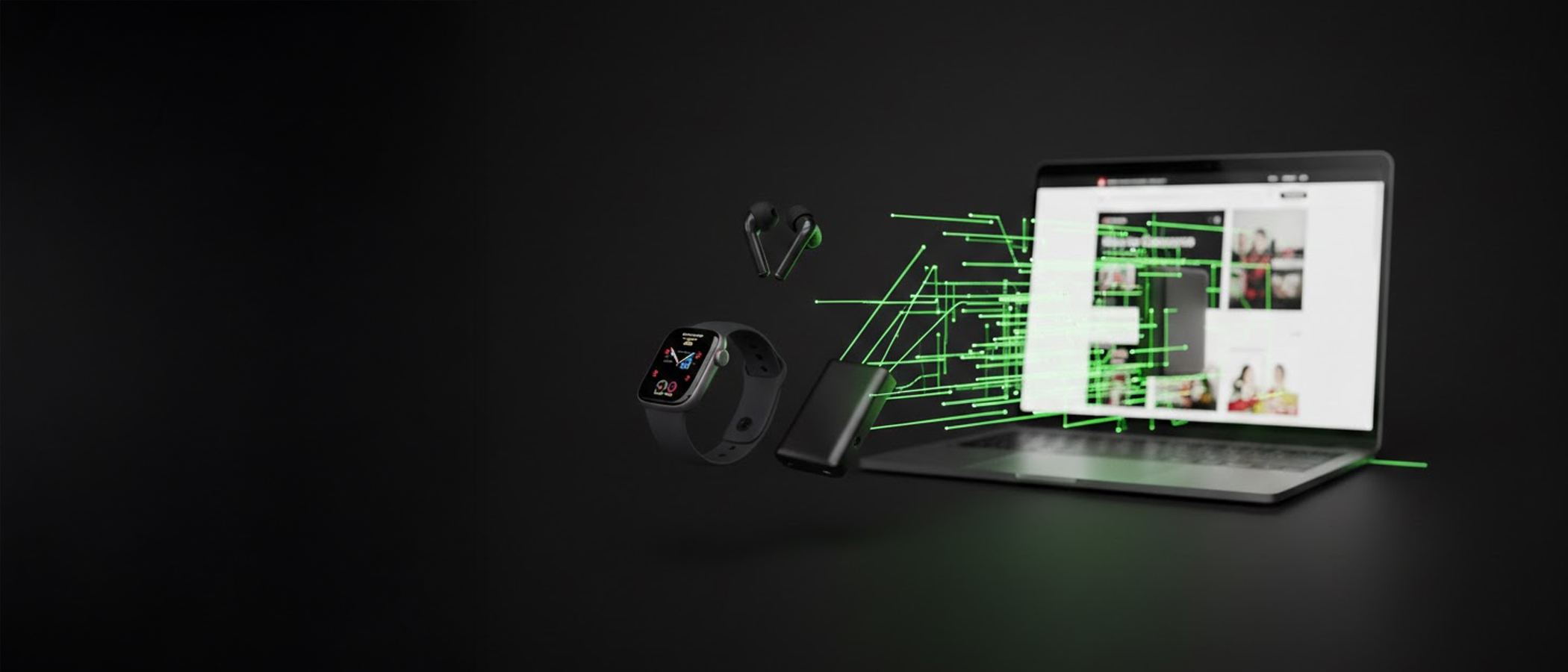
"CGI stands for Computer Generated Imagery, i.e., images created on the computer. This can include anything – from abstract motifs to photorealistic product visualization. To create so-called renderings, the physical product is first recreated on the computer. Initially, all details are recreated so that we get a “digital twin” as a 3D model. In the next step, the 3D model is covered with the correct materials and placed in a virtual space.
Many companies contact us because traditional methods such as photo shoots are too time-consuming, expensive, and inflexible for them. Furthermore, photography is not practical, especially for larger quantities of images. With CGI, we can place any product in any environment. For this, our interior architects and interior designers create scenes that are adapted to the respective target group. The digital twin is then placed in this scene. This makes it possible, even after project completion, to replace the products in these scenes or to show them from a different perspective. This very flexibility leads companies to prefer CGI over traditional photography, and we are expanding rapidly."
CGI is also very trendy with furniture and furnishing stores. What is the advantage of CGI over photography?
Furniture and furnishing stores usually receive image material from the manufacturers, which then has to be used for their own marketing. This image material very rarely corresponds to the visual language of the retailers or other manufacturers. As a result, brochures and websites often appear restless and of low quality. With CGI, furnishing stores can have new image material created without having to unpack the actual furniture and deliver it to a photo studio. The visualizations can thus not only be created uniformly but also adapted to the respective product and target groups. In addition, we are thus independent of factors such as light and weather conditions or interior and exterior scenes.
We often also work directly with furniture manufacturers, to whom we offer a range of diverse approval options, interfaces, and content creation options. Specifically, this means: furniture manufacturers can also provide other retailers with uniform image material through us, which additionally corresponds to their corporate identity. As a result, furniture retailers have uniform image material and catalogs appear higher quality.
This can save costs and create synergies because we are not only already familiar with the respective manufacturer
david wischniewski